Why it matters
Norfolk County has a broader industrial base than many people expect. The mix of farming, processing, manufacturing, and logistics creates steady demand for land, labour, equipment, and service support. That matters for companies planning expansion, relocation, or supplier partnerships.
Manufacturing and light industrial activity
Manufacturing in Norfolk County often works best at a practical scale. Light industrial users need buildings with enough power, yard space, loading access, and room for workflow changes.
A common mistake is choosing space based only on square footage. Older buildings can limit production if ceiling height, floor loading, or truck turning space do not match the operation.
Labour availability is another real constraint. A plant may be affordable to set up, but staffing can slow output if hiring plans are too narrow or training needs are ignored.
Agriculture-related processing and supply chains
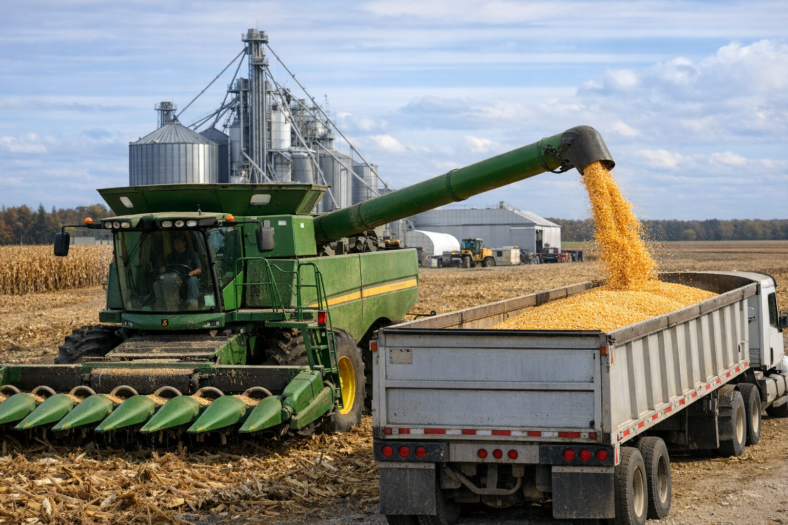
Agriculture supports more than crop production. It also drives demand for input suppliers, equipment service, storage, sorting, and first-stage processing.
This sector depends on timing. If storage, transport, or processing capacity falls behind harvest schedules, product quality can drop fast and margins can shrink just as quickly.
Supply chains tied to agriculture also face seasonal swings. Companies that plan only for peak volume can end up with underused assets for part of the year, while companies that underbuild may lose business during critical windows.
Food production, packaging, and distribution
Food-related industry is a strong fit because raw inputs are close by and regional distribution routes are accessible. That supports processors, packers, cold storage users, and firms handling finished goods.
Operators comparing sites or expansion options can benefit from local business development resources because zoning, servicing, and approval details can affect project timelines more than the building shell itself.
The tradeoff is compliance and handling complexity. Food production needs tighter controls for sanitation, traceability, and temperature management than many other industrial uses.
Construction materials, fabrication, and industrial services
This part of the local economy includes shops and yards that support building activity, farm operations, and plant maintenance. Fabricators, machine repair firms, material suppliers, and specialty contractors all fit into this group.
The biggest risk here is underestimating service access. A business may have the right equipment, but poor yard layout, weak drainage, or limited heavy vehicle access can disrupt daily work and raise operating costs.
Transportation and warehousing tie the other sectors together. Manufacturers, farm suppliers, and food businesses all depend on reliable movement of inputs and finished products.
Transportation, warehousing, and logistics support
Industrial service firms also rely on repeat relationships. Companies sourcing local partners often use the Norfolk business directory to identify nearby fabrication, supply, and support businesses that can reduce travel time and shorten response windows.
Location alone does not solve logistics problems. If dock count, trailer storage, shift timing, or inventory systems are wrong, a warehouse can become a bottleneck instead of a support asset.
- Distribution works best when inbound and outbound traffic patterns are planned early.
- Seasonal industries need buffer capacity, not just average-day capacity.
- Shared industrial areas can create delays if truck circulation is tight.
For businesses assessing Norfolk County, the strongest opportunities usually come from how these sectors connect, not from any single operation in isolation. The best decisions start with site constraints, service needs, and supply chain fit.
Economic drivers shaping industry in Norfolk County, Ontario
Why it matters
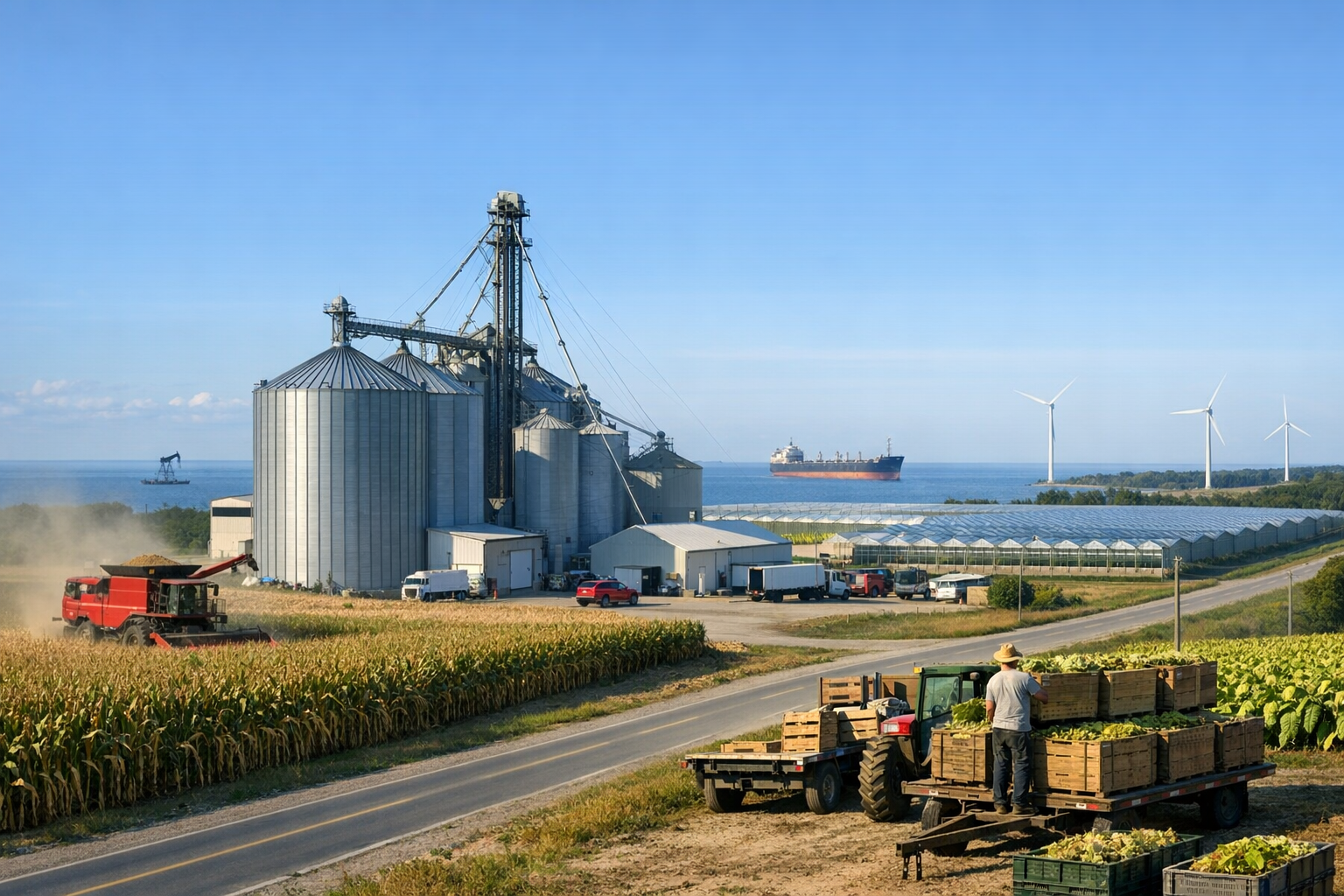
Industrial growth depends on more than demand alone. In Norfolk County, Ontario, hiring capacity, available land, supplier stability, and business confidence all affect how fast firms can expand. If one of those pieces falls short, projects slow down or move elsewhere.
Local workforce availability and skilled trades demand
Labour supply is one of the first limits on industrial growth. A company can secure orders and financing, but production still stalls if it cannot hire welders, millwrights, mechanics, or equipment operators.
The main tradeoff is speed versus depth. Employers can hire quickly to fill immediate gaps, but weak training raises rework, safety issues, and downtime. A thin labour pool also pushes firms to compete on wages, which can squeeze margins for smaller operators.
- Skilled trades shortages can delay maintenance and reduce plant uptime.
- Retirements can remove practical knowledge faster than new workers replace it.
- Long commutes can shrink the effective hiring radius for shift-based work.
Industrial land supply and facility expansion potential
Available industrial land affects whether local firms expand in place or look outside the county. Even strong businesses can hit a hard wall if parcels lack servicing, road access, or enough space for truck movement and outdoor storage.
The common mistake is to focus only on lot size. Expansion projects also depend on zoning, utility capacity, stormwater constraints, and room for future additions. If those issues are missed early, a cheaper site can become the more expensive choice.
This matters for both new builds and additions to existing plants. In Norfolk County, industrial users need land that supports present operations and a second phase later, otherwise growth gets boxed in after the first investment.
Business investment trends and commercial growth
Investment trends show where business owners think demand is durable. When firms commit to equipment, buildings, and site upgrades, they signal confidence in local production, logistics, and market access.
That confidence can shift quickly if borrowing costs rise or permit timelines stretch. A project that works on paper can lose momentum once construction pricing, utility upgrades, and staffing costs are added together. Public signals also matter, including recent economic growth investment tied to the area.
Commercial growth often follows industrial activity, but not every new commercial project strengthens industry. The key question is whether it supports business operations, supplier networks, and workforce needs, or simply adds pressure on land and infrastructure.
Supply chain resilience for regional producers
Regional producers need stable access to inputs, transportation, and backup vendors. A supply chain that works under normal conditions may fail fast when one carrier changes routes, one supplier cuts volume, or one border issue slows deliveries.
The tradeoff is cost versus resilience. Lean sourcing can lower unit prices, but single-source dependency increases exposure to delays and production stoppages. For manufacturers and processors, a missed input shipment can idle labour and equipment that still must be paid for.
Small and mid-sized enterprises carry a large share of industrial activity. They often handle specialized production, repair work, packaging, fabrication, and contract services that larger operations depend on every day.
Role of small and mid-sized enterprises in industrial output
Strong planning relies on current Norfolk County economic data, especially when firms are judging freight patterns, labour depth, and supplier concentration. Better visibility helps companies decide when to hold extra inventory and when to diversify vendors.
Their strength is flexibility, but that flexibility has limits. A small firm can pivot faster than a large plant, yet one equipment failure, one hiring gap, or one late customer payment can disrupt output quickly. That makes access to capital, skilled labour, and suitable space especially important.
If local SMEs stay competitive, the broader industrial base becomes less fragile. If they struggle to scale, larger producers lose nearby support and the region gives up part of its growth capacity.